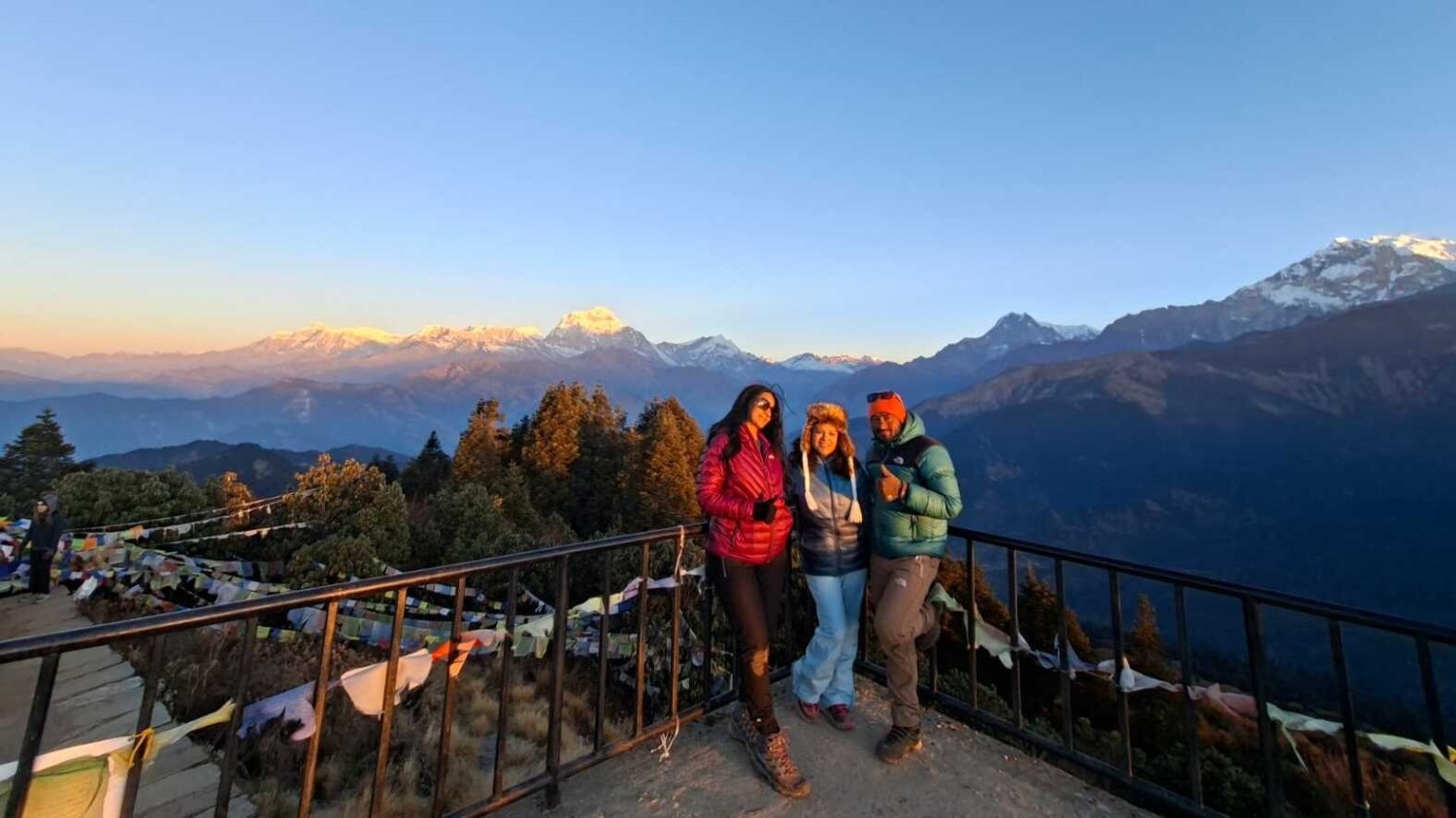
Best Time to Travel in Nepal depends on weather, mountain visibility, trekking conditions, and travel interests. Nepal offers different experiences across four seasons. Each season presents unique landscapes, festivals, and travel opportunities across the Himalayas.
Himalayan Infinity Adventure organizes trekking, cultural tours, helicopter tours, and mountain expeditions throughout the year. Understanding the seasonal conditions helps travelers plan the most suitable trip in Nepal.
Nepal stretches from lowland plains to the highest mountains in the world. Climate conditions vary significantly by altitude. While some months provide clear skies and stable trekking conditions, others offer lush landscapes and fewer tourists.
This guide explains the best months to visit Nepal, seasonal travel advantages, and which activities fit each season.
Spring Season in Nepal (March to May)
Spring stands among the most popular travel seasons in Nepal. Temperatures rise after winter, and clear skies reveal spectacular Himalayan views.
During spring, forests across the hills and mountains bloom with rhododendron flowers. Many trekking trails transform into colorful landscapes.
Key advantages of spring travel:
• Stable weather conditions
• Excellent mountain visibility
• Flowering forests along trekking trails
• Comfortable daytime temperatures
Popular trekking routes during spring include Everest Base Camp Trek, Annapurna Base Camp Trek, Langtang Valley Trek, and Manaslu Circuit Trek.
Climbers also attempt major Himalayan peaks during spring because weather windows become more stable at high altitude.
Temperatures during spring:
• Kathmandu: 16°C to 30°C
• Mountain regions: −5°C to 15°C depending on altitude
Spring offers ideal conditions for trekking, sightseeing tours, helicopter tours, and mountain flights.
Autumn Season in Nepal (September to November)
Autumn provides the most favorable travel conditions in Nepal. Many travelers consider this period the best time to visit the country.
After the monsoon season ends, the atmosphere becomes clean and dust-free. Mountain views appear sharp and dramatic across the Himalayan range.
Advantages of traveling in autumn:
• Clear skies and dry weather
• Excellent visibility of Himalayan peaks
• Ideal trekking conditions
• Comfortable temperatures across the country
Major trekking routes experience the highest number of visitors during this season.
Autumn temperatures:
• Kathmandu: 15°C to 28°C
• Mountain regions: −10°C to 12°C
This season also hosts major cultural festivals in Nepal.
Important festivals include:
• Dashain
• Tihar
• Chhath
Travelers gain the opportunity to experience traditional Nepali culture alongside mountain adventures.
Winter Season in Nepal (December to February)
Winter in Nepal brings cold temperatures in high mountain regions but remains comfortable in lower areas.
Snowfall occurs in high-altitude trekking regions such as Everest, Manaslu, and Annapurna. Some high passes become difficult or inaccessible.
However, winter travel still offers several advantages.
Benefits of winter travel:
• Fewer tourists on trekking routes
• Clear mountain views
• Lower travel costs
• Peaceful travel experience
Lower-altitude treks remain accessible during winter.
Recommended winter treks:
• Ghorepani Poon Hill Trek
• Everest View Trek
• Langtang Valley Trek
• Mardi Himal Trek
Temperatures during winter:
• Kathmandu: 5°C to 20°C
• Mountain regions: −20°C to 8°C
Winter also suits cultural tours in cities such as Kathmandu, Pokhara, and Lumbini.
Himalayan Infinity Adventure organizes customized winter travel packages including short treks and scenic helicopter tours.
Monsoon Season in Nepal (June to August)
Monsoon season brings heavy rainfall across most parts of Nepal. Clouds often cover mountain views, and trekking trails become wet and slippery.
Despite the rainfall, monsoon offers unique travel opportunities.
Advantages of monsoon travel:
• Green landscapes and vibrant vegetation
• Fewer tourists
• Lower accommodation prices
• Dramatic river flows and waterfalls
Certain trekking regions remain suitable during monsoon.
Recommended monsoon trekking areas:
• Upper Mustang
• Dolpo region
• Nar Phu Valley
These areas lie in rain shadow zones of the Himalayas and receive limited rainfall.
Temperatures during monsoon:
• Kathmandu: 20°C to 30°C
• Mountain regions: 10°C to 25°C
Travelers interested in photography often enjoy monsoon landscapes due to rich greenery and dramatic cloud formations.
Best Time for Trekking in Nepal
Trekking stands as the most popular activity in Nepal. The best trekking months offer stable weather and clear mountain views.
Best trekking seasons:
• Spring: March to May
• Autumn: September to November
During these periods, trekking trails remain dry, visibility improves, and weather conditions remain reliable.
Popular trekking destinations include Everest Base Camp, Annapurna Base Camp, Langtang Valley, Manaslu Circuit, and Upper Mustang.
Himalayan Infinity Adventure organizes guided treks across all major trekking regions in Nepal.
Best Time for Cultural Tours
Travelers interested in temples, heritage sites, and historical cities can visit Nepal throughout the year.
Best months for cultural tours:
• October to April
Cities such as Kathmandu, Bhaktapur, and Patan offer pleasant temperatures during these months.
Visitors explore ancient temples, UNESCO heritage sites, traditional markets, and cultural festivals.
Best Time for Helicopter Tours
Helicopter tours provide fast access to Himalayan viewpoints without long trekking days.
Best months for helicopter tours:
• October to May
Clear skies during these months allow dramatic aerial views of the Himalayan peaks.
Popular helicopter destinations include Everest Base Camp, Annapurna Base Camp, Muktinath, and Gosaikunda Lake.
Himalayan Infinity Adventure organizes private and group helicopter tours across Nepal.
Climate Diversity in Nepal
Nepal holds one of the most diverse climates in the world within a short geographic distance.
Elevation ranges from about 60 meters in the southern plains to 8,848.86 meters at Mount Everest.
This extreme altitude variation creates multiple climate zones:
• Tropical plains in the Terai
• Subtropical hills
• Alpine mountain regions
• Arctic climate in the high Himalayas
Travelers experience dramatic landscape changes within a single journey.
Quick Travel Tips for Nepal
• Carry layered clothing for temperature changes.
• Choose spring or autumn for the best mountain views.
• Book trekking permits and guides before peak season.
• Prepare for altitude changes during mountain trips.
• Travel insurance remains recommended for trekking activities.
Himalayan Infinity Adventure provides professional guides, logistics support, and customized itineraries for safe and comfortable travel in Nepal.
Conclusion
The best time to travel in Nepal depends on the type of experience travelers seek. Spring and autumn provide the most reliable weather for trekking and mountain views. Winter offers peaceful travel with fewer visitors, while monsoon reveals lush landscapes and unique trekking routes in rain shadow regions.
Nepal offers remarkable experiences throughout the year. From Himalayan trekking and helicopter tours to cultural exploration and wildlife safaris, travelers find unforgettable journeys across the country.
Himalayan Infinity Adventure welcomes travelers to explore Nepal’s mountains, culture, and natural beauty in every season.
Leave a Reply