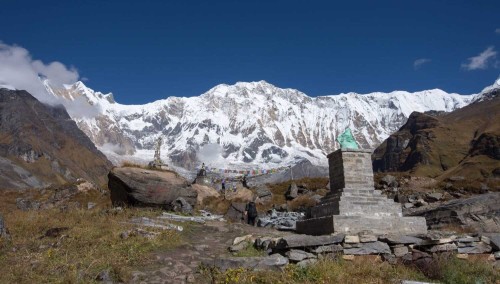
Annapurna Circuit Trek 13 Days

13 Days
Duration
Easy-Moderate
Difficulty
The Expedition

Overview

The Annapurna Circuit Trek – 13 Days is one of the most complete trekking experiences in Nepal, offering a mix of mountain views, cultural diversity, and changing landscapes in a relatively short time. This trek takes you around the Annapurna massif, passing through traditional villages, dense forests, alpine terrain, and high mountain deserts. The highlight of the journey is crossing the famous Thorong La Pass (5,416m), one of the highest trekking passes in the world.

Unlike shorter treks, this route gives you a real sense of progression. You start from lower elevations with green hills and terraced fields, gradually moving into rugged mountain terrain. Along the way, you’ll walk through villages influenced by both Hindu and Tibetan Buddhist cultures, which makes the experience even richer. The trail also offers stunning views of peaks like Annapurna II, Annapurna III, Gangapurna, Dhaulagiri, and Manaslu.

This 13-day version of the Annapurna Circuit is carefully designed for trekkers who want to experience the best of the region without spending too many extra days. It includes proper acclimatization, comfortable walking distances, and all major highlights like Manang, Thorong La Pass, and Muktinath. Whether you’re an experienced trekker or a first-time adventurer with good fitness, this trek is both challenging and incredibly rewarding.

Key Highlights of Annapurna Circuit Trek

  • Cross Thorong La Pass (5,416m) – the highest point of the trek
  • Explore Manang Village and acclimatize properly
  • Visit the sacred Muktinath Temple
  • Experience both Hindu and Tibetan Buddhist cultures
  • Enjoy views of Annapurna, Dhaulagiri, Manaslu, and Gangapurna
  • Walk through forests, rivers, waterfalls, and high-altitude deserts
  • Relax in natural hot springs at Tatopani (if route includes)
Daily Path

Endless Discovery

Day 1

Drive from Kathmandu to Dharapani (1,860m)

Your journey begins early in the morning from Kathmandu, where you set off by bus or jeep for a long drive of around 8–10 hours. As you leave the busy city behind, the road opens into green hills and you start following the beautiful Trishuli River, passing small towns, roadside tea shops, and even rafting spots along the way. After about 4–5 hours, you stop for lunch at a highway restaurant before continuing toward Besisahar, the gateway to the Annapurna region. Up to Besisahar, the road is mostly smooth, but this is where the journey changes and the real adventure begins.

From Besisahar onward, the road becomes rough, dusty, and bumpy, and you’ll likely continue by jeep as the trail narrows and climbs through villages like Bhulbhule, Ngadi, Jagat, and Tal. Along the way, you follow the powerful Marsyangdi River, passing waterfalls, suspension bridges, and deep gorges while the air gets cooler as you gain altitude. After a long but scenic off-road drive, you finally reach Dharapani (1,860m), a quiet mountain village with stone houses and prayer flags. Here, you check into a teahouse, enjoy a warm meal, and rest for the night, marking your transition from city travel to the start of your trekking adventure the next day.

  • Altitude: 1860
  • Accommodation: Lodge
  • Meals: Breakfast/Lunch/Dinner
Day 2

Trek to Chame (2,670m)

Your day begins in Dharapani, where you wake up to fresh mountain air, have a warm breakfast, and get ready for your first proper trekking day. The trail starts gently as you walk through pine and fir forests, gradually gaining altitude while following the flowing Marsyangdi River. You pass through small settlements like Bagarchhap and Danaque, where you can take short breaks, drink tea, and observe local life. As you continue, the valley begins to open up, and the landscape slowly changes, giving you your first clear and exciting views of the Annapurna mountain range, including peaks like Annapurna II and Lamjung Himal. The trail includes a mix of gradual climbs, forest paths, and suspension bridges, making the walk both comfortable and interesting.

After several hours of trekking, you reach Chame at an altitude of 2,670 meters, which is the administrative center of the Manang district. As you enter the village, you’re welcomed by stunning mountain views, especially the impressive face of Lamjung Himal, along with a peaceful environment surrounded by forests. One of the highlights here is the natural hot springs located nearby, where you can relax your tired muscles after the day’s walk. After checking into a teahouse, you enjoy a warm meal, sip some tea, and settle in for the night, feeling accomplished as you’ve officially begun your trekking journey deeper into the Annapurna region.

  • Altitude: 2670
  • Accommodation: Lodge
  • Meals: Breakfast/Lunch/Dinner
Day 3

Trek to Upper Pisang (3,300m)

Your day starts in Chame, where you wake up surrounded by mountains and prepare for another exciting trekking day. After breakfast, you begin walking along a trail that gradually becomes more dramatic compared to the previous day. The path leads you through dense pine forests before narrowing into a steep valley, where you walk along rocky trails with towering cliffs on both sides. As you continue following the Marsyangdi River, the landscape starts to feel more rugged and alpine. One of the most memorable sections is crossing a long suspension bridge and walking through a narrow canyon, where the sound of the river echoes below. As you gain altitude, the trees begin to thin out, and the views open up beautifully.

Throughout the trek, you’re rewarded with stunning mountain views, especially of Annapurna II and Pisang Peak, which appear closer and more impressive as you move forward. After several hours of trekking, you reach Upper Pisang at 3,300 meters. Unlike the lower village, Upper Pisang offers a more traditional and authentic Himalayan experience, with stone houses, narrow alleys, and strong Tibetan-influenced culture. The village sits on a hillside, providing wide views of the valley and surrounding peaks. After checking into a teahouse, you can explore the area, visit the local monastery, and enjoy the peaceful atmosphere before having dinner and resting for the night, ready for the next stage of your adventure.

  • Altitude: 3300
  • Accommodation: Lodge
  • Meals: Breakfast/Lunch/Dinner
Day 4

Trek to Manang (3,540m)

Your day begins in Upper Pisang, where you choose the higher route toward Manang for better views and proper acclimatization. After breakfast, you start with a steady and sometimes challenging climb up to Ghyaru, where the altitude gain is noticeable and you’ll likely take a few breaks to catch your breath. The effort is worth it, as the trail rewards you with wide, खुला views of the valley and incredible mountain scenery, especially Annapurna II and surrounding peaks. As you continue toward Ngawal, the landscape begins to change significantly—lush forests disappear, and the terrain becomes dry, dusty, and more open, giving you a clear sense that you are entering a high-altitude region.

From Ngawal, the trail gradually leads you toward Manang, with relatively gentle walking compared to the earlier climb. Along the way, you pass small settlements, prayer walls, and open yak pastures, all while enjoying constant mountain views. After several hours of trekking, you finally reach Manang at 3,540 meters, one of the largest and most developed villages in the region. Unlike previous stops, Manang feels more lively, with bakeries, cafes, small shops, and comfortable teahouses where trekkers often spend extra days for acclimatization. After checking in, you can explore the village, enjoy fresh bakery items, and relax while taking in the incredible mountain surroundings, preparing your body for the higher altitude days ahead.

  • Altitude: 3540
  • Accommodation: Lodge
  • Meals: Breakfast/Lunch/Dinner
Day 5

Acclimatization Day in Manang

Your acclimatization day begins in Manang, where instead of resting all day, you stay active to help your body adjust to the higher altitude of 3,540 meters. After a relaxed breakfast, you head out for a short hike, which is an important part of acclimatization—climb high during the day and return to sleep low. One popular option is hiking up to Gangapurna Lake, a beautiful glacial lake surrounded by rugged mountains. The trail involves a gradual uphill walk, and as you gain elevation, you’ll notice thinner air, so it’s important to walk slowly and stay hydrated. From the higher viewpoints above the lake, you get incredible views of glaciers, valleys, and surrounding peaks, making the effort completely worth it.

After spending some time exploring and taking in the views, you descend back to Manang, which helps your body adapt more effectively to the altitude. The rest of the day is relaxed—you can explore the village, visit small bakeries and cafes, or simply rest at your teahouse. This day plays a crucial role in preventing altitude sickness and preparing you for the more challenging days ahead. By staying active but not overexerting yourself, you allow your body to adjust properly, making your upcoming trek safer and much more enjoyable.

  • Altitude: 3540
  • Accommodation: Lodge
  • Meals: Breakfast/Lunch/Dinner
Day 6

Trek to Yak Kharka (4,050m)

Your day begins in Manang, where you leave behind the comfort of bakeries and cafes and start heading deeper into the high-altitude region. After breakfast, you begin a steady and gradual climb, following a trail that immediately feels different from previous days. The green forests are now mostly gone, replaced by dry, open alpine terrain with scattered shrubs and rocky paths. As you walk, you pass small settlements like Gunsang and cross prayer walls and yak pastures while enjoying wide views of the surrounding mountains. The higher you go, the more you’ll notice the air getting thinner, so the key here is to walk slowly, take regular breaks, and keep yourself well hydrated.

Along the trail, it’s common to see yaks grazing peacefully, which is actually how Yak Kharka gets its name. The landscape feels quiet and remote, with fewer villages and more open space around you. After several hours of gradual ascent, you reach Yak Kharka at 4,050 meters. This is a small settlement with basic teahouses, surrounded by hills and grazing lands. Once you arrive, you check into your lodge, rest, and keep yourself warm as temperatures drop more noticeably at this altitude. This day is all about slow and steady progress, helping your body continue adjusting while moving closer to the higher and more challenging parts of the trek ahead.

  • Altitude: 4050
  • Accommodation: Lodge
  • Meals: Breakfast/Lunch/Dinner
Day 7

Trek to Thorong Phedi (4,450m)

Your day begins in Yak Kharka, where after a simple breakfast, you set off for a short but important trek to Thorong Phedi at 4,450 meters. The trail is relatively short compared to previous days, but it’s a crucial step in preparing your body for the big challenge ahead: crossing Thorong La Pass. The path climbs gently through rocky, alpine terrain with very few trees, giving you wide-open views of the surrounding peaks and valleys. Since the altitude is higher, the air feels noticeably thinner, and walking slowly with regular breaks is essential to avoid exhaustion or altitude sickness.

Thorong Phedi itself is a small cluster of teahouses at the base of the pass. Most trekkers arrive here early in the afternoon, allowing plenty of time to rest, hydrate, and eat a warm meal. The village is quiet and peaceful, offering just enough comfort to prepare your body and mind for the early morning crossing. Evening routines are simple: you eat dinner, check your gear, and go to bed early, making sure to get enough rest and energy for the challenging trek over Thorong La Pass the next day. This day may be short, but it is vital for acclimatization and mental preparation for the high-altitude adventure ahead.

  • Altitude: 4450
  • Accommodation: Lodge
  • Meals: Breakfast/Lunch/Dinner
Day 8

Cross Thorong La Pass (5,416m) and Trek to Muktinath (3,800m)

This is the big day! You start very early in the morning from Thorong Phedi, often before sunrise, so you can begin your trek to Thorong La Pass in the cold, quiet morning. The climb is challenging, with thin air and steep sections, so pacing yourself is crucial. As you ascend, you move through rocky alpine terrain, passing prayer flags fluttering in the wind and glacial streams along the way. Every step is a test of endurance, but the moment you reach the pass at 5,416 meters, you’re rewarded with breathtaking 360-degree views of the surrounding Annapurna peaks and Mustang valleys—a true high point of the trek. Most trekkers pause here to take photos, breathe in the scenery, and soak in the achievement before starting the long descent.

The descent to Muktinath at 3,800 meters is steady but still demanding on your knees. You follow a rugged path that gradually opens into the sacred Muktinath valley, passing high-altitude landscapes dotted with small shrines and prayer flags. Muktinath itself is an important pilgrimage site for both Hindus and Buddhists, featuring temples, natural springs, and a peaceful atmosphere. Upon arrival, you check into a teahouse, rest, and explore the temples and surroundings. This day is physically exhausting but incredibly rewarding—conquering Thorong La Pass gives you a real sense of accomplishment and the descent into Muktinath feels like a spiritual reward for all your effort.

  • Altitude: 5416
  • Accommodation: Lodge
  • Meals: Breakfast/Lunch/Dinner
Day 9

Drive to Tatopani (1,200m)

After completing the high-altitude adventure, you start your day in Muktinath and prepare for a long but relaxing drive to Tatopani at 1,200 meters. The journey begins by descending into the wide Kali Gandaki Valley, one of the world’s deepest valleys, passing through Jomsom, the main hub of the Mustang region. The road winds along the river, with rugged cliffs and terraced hillsides on either side, offering a scenic contrast to the barren high-altitude landscapes you trekked through. You may stop briefly in Jomsom to stretch, have tea, or browse small shops before continuing the drive through winding roads and small villages.

As you descend further, the air grows warmer and greener, signaling your return to lower elevations. Finally, you reach Tatopani, a small village known for its natural hot springs. After days of trekking and long drives, soaking in these warm, mineral-rich waters feels like pure heaven, relaxing tired muscles and rejuvenating your body. You check into a teahouse or lodge near the springs, enjoy a warm meal, and spend the evening soaking in the hot pools while enjoying the river views—a perfect way to recover and celebrate completing the high passes section of your trek.

  • Altitude: 1200
  • Accommodation: Lodge
  • Meals: Breakfast/Lunch/Dinner
Day 10

Trek to Ghorepani (2,850m)

You start your day in Tatopani, refreshed from the hot springs and ready for a new trekking challenge. The trail begins with a steady but steep climb, taking you through lush forests filled with rhododendron, pine, and oak trees. Along the way, you pass small villages where locals live in traditional stone houses, giving you a glimpse of rural Nepali life. The path can be tiring, with long uphill sections, narrow trails, and occasional stair-like stone steps, so pacing yourself and taking regular breaks is essential. As you ascend, the air becomes cooler and fresher, and the forest gradually opens up, offering glimpses of distant peaks that motivate you to keep moving.

After several hours of climbing, you finally arrive at Ghorepani, sitting at 2,850 meters. This popular village is well-known among trekkers for its comfortable teahouses and incredible mountain views, including the nearby Dhaulagiri and Annapurna South. Once you check into a lodge, you can relax, enjoy a warm meal, and explore the village, soaking in the stunning scenery. The sense of accomplishment after a steep uphill day is rewarding, and Ghorepani serves as a perfect stop to rest and prepare for the famous Poon Hill sunrise hike the next morning.

  • Altitude: 2850
  • Accommodation: Lodge
  • Meals: Breakfast/Lunch/Dinner
Day 11

Hike to Poon Hill (3,210m) and Trek to Tadapani

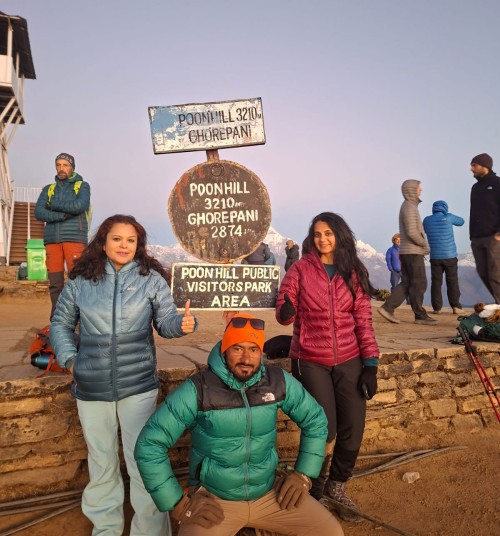
You start very early in the morning from Ghorepani, often before sunrise, to hike up to Poon Hill at 3,210 meters. The climb is relatively short but moderately steep, with stone steps and narrow trails winding through rhododendron and oak forests. Arriving at the viewpoint just as the sun rises is an unforgettable experience—the first rays light up the peaks of Annapurna South, Dhaulagiri, and surrounding mountains, creating a spectacular panorama that makes the early wake-up completely worth it. You can take plenty of photos, breathe in the crisp mountain air, and soak in the peaceful atmosphere before descending back to Ghorepani for breakfast.

After breakfast, your trek continues toward Tadapani, following forested trails that gradually climb and descend through mixed pine and rhododendron woodlands. Along the way, you pass small villages, local farms, and streams, giving a sense of rural Himalayan life. The trail can be moderately challenging with uneven terrain, but the dense forest provides shade and a cool environment. Upon arrival in Tadapani, a serene mountain village at 2,630 meters, you check into a teahouse, enjoy a warm meal, and rest for the night, all while enjoying distant views of Annapurna peaks and the peaceful surroundings of this traditional Himalayan settlement.

  • Altitude: 3210
  • Accommodation: Lodge
  • Meals: Breakfast/Lunch/Dinner
Day 12

Trek to Ghandruk and Drive to Pokhara

You start your day in Tadapani, refreshed from the previous night, and begin your trek toward Ghandruk, one of the most picturesque villages in the Annapurna region. The trail gently descends through lush forests of rhododendron and pine, dotted with terraced fields and traditional stone houses. Along the way, you pass small streams, suspension bridges, and local villages, observing daily life and farm activities, which gives a wonderful glimpse of rural Nepali culture. The walk is moderately easy compared to previous high-altitude days, and the fresh air and forest scenery make the descent enjoyable and relaxing.

After reaching Ghandruk, you have time to explore the village, famous for its cultural heritage, Gurung community, and panoramic mountain views, including Machapuchare. Later, you drive from Ghandruk down winding roads through the valleys to Pokhara, a lively city at the foothills of the Himalayas. The drive is scenic, following rivers and terraced landscapes, gradually descending to warmer and greener terrain. Upon arrival in Pokhara, you can check into a hotel or guesthouse, relax, and enjoy the comforts of a city after days on the trail, marking the end of your trekking adventure and the start of some well-earned rest.

  • Altitude: 822
  • Accommodation: Lodge
  • Meals: Breakfast/Lunch/Dinner
Day 13

Drive or Fly Back to Kathmandu

Your final day begins in Pokhara, where you prepare to return to Kathmandu. Depending on your preference, you can either take a scenic tourist bus or opt for a short flight. If you choose the bus, the journey takes around 6–8 hours, winding along rivers, hills, and small towns, giving you a last chance to enjoy the countryside and reflect on the trek. The road passes through green valleys, terraced fields, and occasional waterfalls, offering a peaceful farewell to the mountains before entering the busier city roads near Kathmandu.

If you prefer flying, the flight takes about 25–30 minutes and provides breathtaking aerial views of the Annapurna range, Pokhara valley, and even glimpses of Machapuchare and other peaks along the route. Upon arrival in Kathmandu, you are officially done with your trek. You can check into your hotel, relax, and reminisce about the incredible journey you’ve just completed, from the high passes of the Annapurna region to the serene villages and valleys you explored along the way. This marks the end of your trekking adventure and the perfect moment to celebrate your accomplishment.

  • Altitude: 1400
  • Accommodation: Hotel
  • Meals: Breakfast

What's Included

  • Airport pick-up and drop-off
  • All ground transportation (bus/jeep)
  • Accommodation in teahouses during the trek
  • Three meals a day (Breakfast, Lunch, Dinner)
  • Licensed English-speaking trekking guide
  • Porter (1 porter for 2 trekkers)
  • Annapurna Conservation Area Permit (ACAP)
  • TIMS Card (Trekkers’ Information Management System)
  • First aid kit and basic medical support

Not Included

  • International airfare
  • Nepal visa fees
  • Travel insurance (mandatory)
  • Personal expenses (Wi-Fi, hot shower, charging, drinks)
  • Tips for guide and porter
  • Extra accommodation in Kathmandu or Pokhara
  • Rescue and emergency evacuation
Expedition Intel

Common Questions

It is moderate to challenging. The biggest challenge is high altitude, especially Thorong La Pass.

Not mandatory, but it helps. Beginners with good fitness can complete it.

This version is completed in 13 days, but it can be extended depending on route and pace.

Yes, especially above 3,500m. Proper acclimatization reduces risk.

Yes, but hiring a guide is safer and more convenient.

Thorong La Pass at 5,416 meters.

Community

Traveler Stories

Write a Review

Infinity Suggestions

You Might Also Love