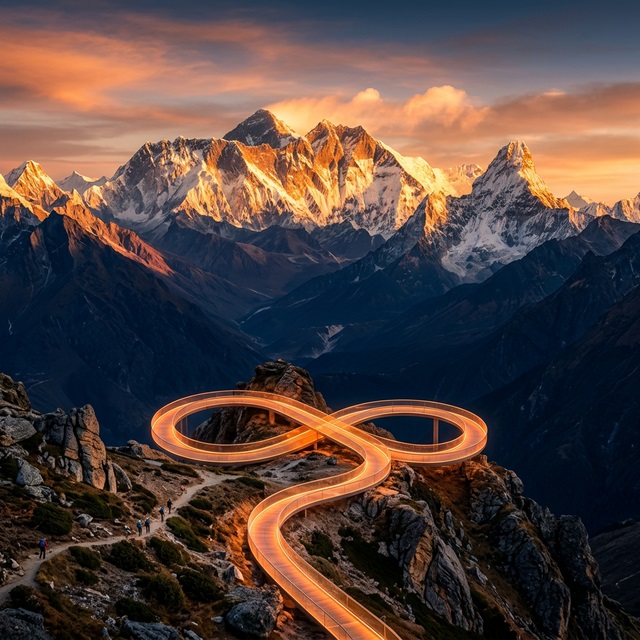
The Yala Peak Climbing – 12 Days is one of the best introductory mountaineering adventures in Nepal, located in the beautiful Langtang region. Standing at an altitude of Yala Peak (5,520m), this trekking peak is perfect for beginners who want to experience Himalayan climbing without the technical difficulty of higher peaks like Island Peak or Lobuche Peak. It offers a perfect combination of trekking, culture, and a rewarding summit experience.
The journey begins with a scenic drive from Kathmandu to Syabrubesi, followed by trekking through the stunning Langtang Valley. Along the trail, you will pass through lush forests, traditional Tamang villages, and alpine landscapes while enjoying views of Langtang Lirung and surrounding peaks. The region is rich in culture, influenced by Tibetan traditions, making the trek not only physically rewarding but also culturally enriching.
The climb itself is non-technical and does not require prior mountaineering experience, making it ideal for beginners. However, basic fitness and proper acclimatization are important due to the altitude. From the summit, you’ll be rewarded with panoramic views of Shishapangma (8,027m), Langtang Lirung, Dorje Lakpa, and Ganesh Himal. This 12-day itinerary is well-paced, allowing trekkers to safely adapt to altitude while enjoying the beauty of the Langtang region.
Your Yala Peak adventure begins as you land at Tribhuvan International Airport in Kathmandu. After a long journey, you’re transferred to your hotel where you can finally relax, stretch your legs, and breathe… well, slightly dusty Kathmandu air
This day is all about preparation. You check your trekking and climbing gear, maybe realize you forgot something (don’t worry, Thamel has everything), and meet your guide. In the evening, there’s a short briefing where your guide explains the route, weather, altitude, and what to expect in the coming days.
It’s a calm start—but don’t get too comfortable. The mountains are waiting.
You leave Kathmandu early in the morning for a long but interesting drive to Syabrubesi, the starting point of your trek. The drive takes around 7–9 hours, and let’s be honest—it’s a mix of beautiful views and “hold tight” road moments.
As you leave the city behind, the landscape changes quickly. You pass terraced fields, green hills, rivers like the Trishuli, and small roadside villages where local life is happening at its own peaceful pace. You’ll see farmers working, kids playing, and maybe goats casually blocking the road like they own it (they kinda do).
By the time you reach Syabrubesi, you’ll feel the shift from city life to mountain life. You check into a teahouse, have a warm meal, and get ready for your first real trekking day.
Your trekking officially begins from Syabrubesi, and today’s goal is to reach Lama Hotel at 2,470 meters. The trail starts gently, following the beautiful Langtang River, with the soothing sound of flowing water guiding you forward.
You walk through dense forests filled with oak, bamboo, and rhododendron trees. If you’re lucky, you might even spot wildlife like monkeys or colorful birds. The trail includes suspension bridges, stone steps, and gradual climbs, making it a good warm-up for the days ahead.
After 5–6 hours of trekking, you reach Lama Hotel—not really a “hotel” but a cozy stop surrounded by forest. You settle into a teahouse, enjoy a hot meal, and feel that satisfying “first day trek done” feeling.
You start your day in Lama Hotel, heading toward Langtang Village, located at 3,430 meters. As you gain altitude, the landscape begins to change—and this is where things start getting exciting.
The dense forest slowly opens up into wider valleys. You begin to see snow-capped peaks in the distance, including Langtang Lirung, standing tall above the valley. The trail passes through yak grazing areas, stone houses, and small settlements that show the resilience of mountain life.
You’ll also notice signs of the 2015 earthquake and how the village has been rebuilt—it adds a powerful emotional layer to the journey. After 5–6 hours of trekking, you arrive at Langtang Village, where you stay in a teahouse and enjoy the growing mountain atmosphere.
Today is shorter but incredibly rewarding. You leave Langtang Village and head toward Kyanjin Gompa, located at 3,865 meters. The trail is gradual and open, surrounded by wide valleys, glaciers, and dramatic mountain views.
As you walk, the environment feels more alpine—less vegetation, more rock, and bigger mountains all around you. After about 3 hours of trekking, you reach Kyanjin Gompa, a beautiful high-altitude village surrounded by peaks.
Here, you can visit the ancient monastery, explore the area, and even check out the famous local cheese factory (yes, yak cheese—and yes, you should try it ). The rest of the day is perfect for relaxing, short walks, and preparing for higher altitude and the climbing phase ahead.
You spend the day in Kyanjin Gompa, and this is where your body gets serious about adapting to altitude. No long trekking today—but don’t mistake this for a lazy day
You’ll go for an optional hike to Kyanjin Ri or Tserko Ri, both offering incredible panoramic views of the Langtang range. The climb is steep and you’ll feel the thin air, but that’s exactly the point—“climb high, sleep low” helps your body adjust properly.
From the top, you’ll see glaciers, wide हिमालय valleys, and peaks like Langtang Lirung dominating the skyline. After returning to Kyanjin, you spend the rest of the day relaxing, eating well, and preparing mentally for the climb ahead. This day is key for a safe and successful summit.
You leave Kyanjin Gompa and begin trekking toward Yala Peak Base Camp, located at 4,800 meters. Today feels different—you’re leaving the comfort of teahouses and heading into a more remote, rugged environment.
The trail gradually climbs through open alpine terrain, with rocky paths, glacial sections, and wide views of the surrounding mountains. The landscape becomes more raw and untouched, with fewer signs of human settlement. As you gain altitude, the air becomes thinner, and every step requires a bit more effort.
After several hours of steady trekking, you reach base camp, usually set up on a flat open area surrounded by mountains. You settle into tents, enjoy a warm meal, and begin preparing your climbing gear—crampons, boots, harness, and more. Your guide will brief you about the summit plan, and you’ll go to sleep early, knowing the next day is the big one.
Summit day starts early—very early. You wake up in the dark at base camp, gear up, and begin your climb toward Yala Peak (5,520m). With headlamps lighting the way, you move slowly across rocky and snowy terrain, following your guide step by step.
The climb is non-technical compared to other peaks, but the altitude makes it challenging. As you gain height, the sky slowly brightens, revealing breathtaking views of surrounding peaks, including parts of the Tibetan Himalayas. Step by step, you push toward the summit.
Reaching the top is an incredible feeling—quiet, cold, and absolutely worth it. You take in the views, snap some photos, and celebrate your achievement. After a short stay, you begin the descent back to base camp and then continue all the way down to Kyanjin Gompa. It’s a long and tiring day, but also the most rewarding one of the entire journey.
You wake up in Kyanjin Gompa, feeling proud but probably a bit tired after summit day. Today is all about descending back through the Langtang Valley toward Lama Hotel.
The trail retraces your steps through Langtang Village and down into forested areas. The difference is noticeable—more oxygen, easier breathing, and a faster walking pace. You pass yak pastures, stone houses, and familiar landmarks, but everything feels easier now.
After 5–6 hours of trekking, you arrive at Lama Hotel, where you can finally relax in a warmer, more comfortable environment.
Your final trekking day begins in Lama Hotel, heading back to Syabrubesi. The trail descends through dense forests, crosses suspension bridges, and follows the Langtang River once again.
The walk feels relaxed and enjoyable—you’re no longer focused on altitude or climbing, just enjoying the journey. You pass through small villages and greenery, a big contrast to the high-altitude landscapes you experienced earlier.
Reaching Syabrubesi marks the end of your trekking journey. In the evening, you celebrate with your team, sharing stories and laughs about the adventure you’ve just completed.
You leave Syabrubesi and drive back to Kathmandu, retracing the same scenic route through hills, rivers, and rural landscapes. The drive takes around 7–9 hours, giving you plenty of time to relax and reflect on your journey.
Once you arrive in Kathmandu, it feels like a big return to comfort—hot showers, good food, and maybe even Wi-Fi that actually works . You can spend the evening resting, exploring the city, or celebrating your successful summit of Yala Peak.
Yes, Yala Peak is one of the best peaks in Nepal for beginners. It does not require technical climbing skills, making it ideal for trekkers who want their first Himalayan summit experience. With proper guidance, even first-time climbers can successfully reach the summit.
No prior climbing experience is required. The climb is non-technical, but basic fitness and trekking experience are helpful. Guides provide basic instructions and support throughout the climb, ensuring safety and confidence.
The highest point is the summit of Yala Peak at 5,520 meters. Although it is lower than other trekking peaks, the altitude still requires proper acclimatization.
Yala Peak is easier compared to Island Peak, Lobuche Peak, or Mera Peak. It is considered a beginner-level climb, making it a great introduction to mountaineering in Nepal.
Yes, travel insurance is highly recommended. It should cover high-altitude trekking and emergency evacuation to ensure safety during the trek and climb.